Table of Content
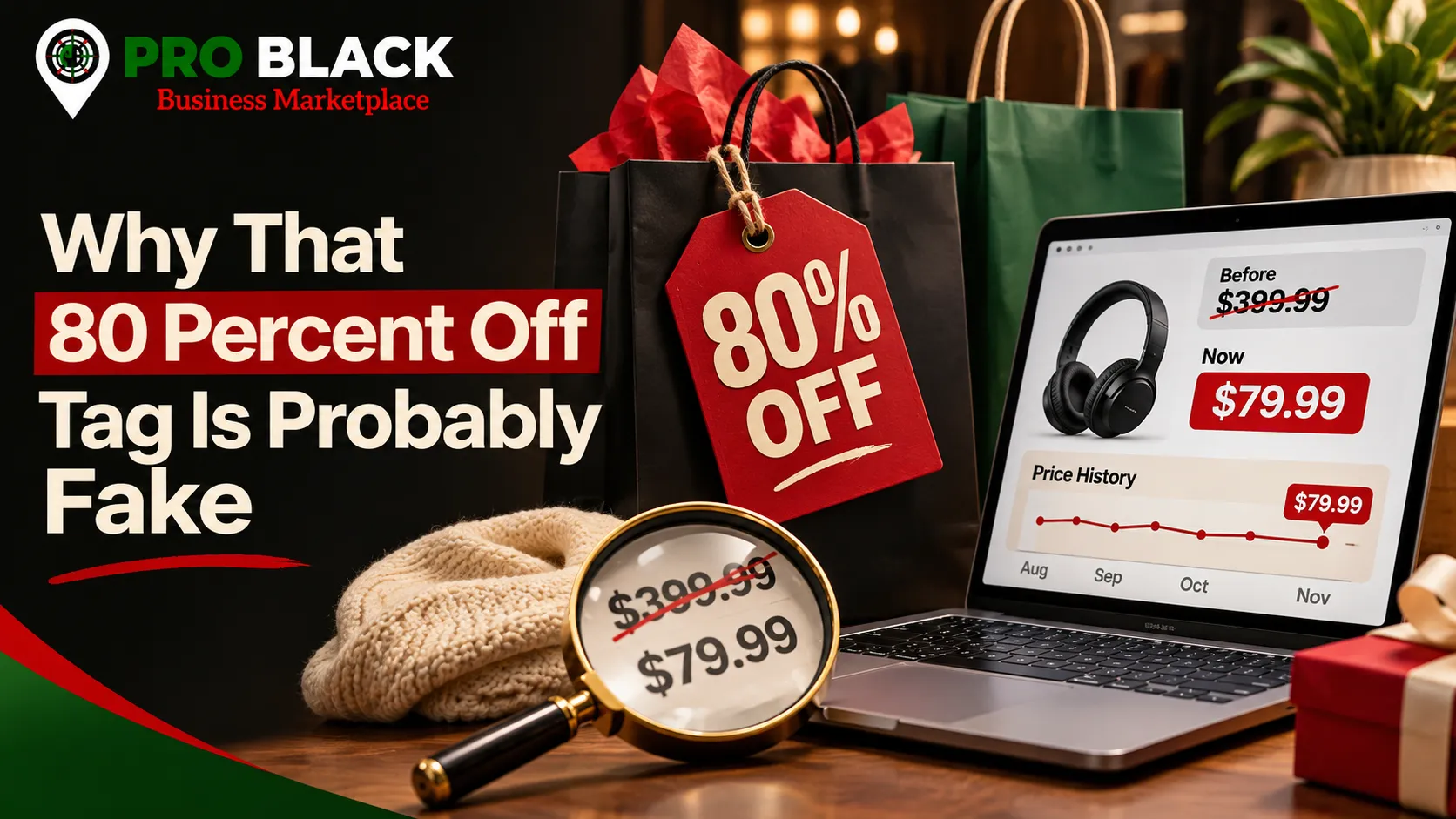
An 80 percent off tag feels like winning. A big red number, a slashed-through original price, and a little jolt of "I have to grab this now." But here is the uncomfortable truth: the bigger the discount claim, the more reason you have to doubt it. The most dramatic tags are often the least honest.
At ProBlack we refuse to play that game. Our listings use honest prices from Black-owned brands and sellers, with no manufactured discounts. This post is about teaching you to see the trick, so you can shop anywhere and never get fooled by a number designed to rush you.
How fake discounts actually work
The scam is boring and effective. A seller quietly raises a product's price, lets it sit for a while so the high number looks "normal," and then slashes it during a sale. The discount percentage is calculated against that inflated price, not against what the item has really sold for. The "80 percent off" is real math on a fake starting point.
The crossed-out number is the entire illusion. Remove it and most of these deals look ordinary, which is exactly what they are. Once you understand that the starting price is the thing being manipulated, the whole tactic loses its grip on you. You stop reacting to the percentage and start asking about the base number instead.
The signs a discount is fake
You do not need special tools to catch this. A few patterns show up again and again.
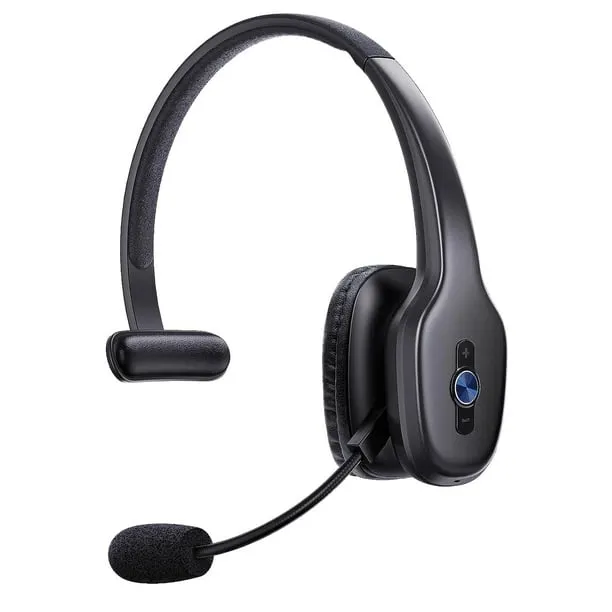
Bluetooth Headset, Trucker Wireless Headset with Noise Cancelling Microphone & Mute Button, 50Hrs Playtime, Wireless
The original price has no history
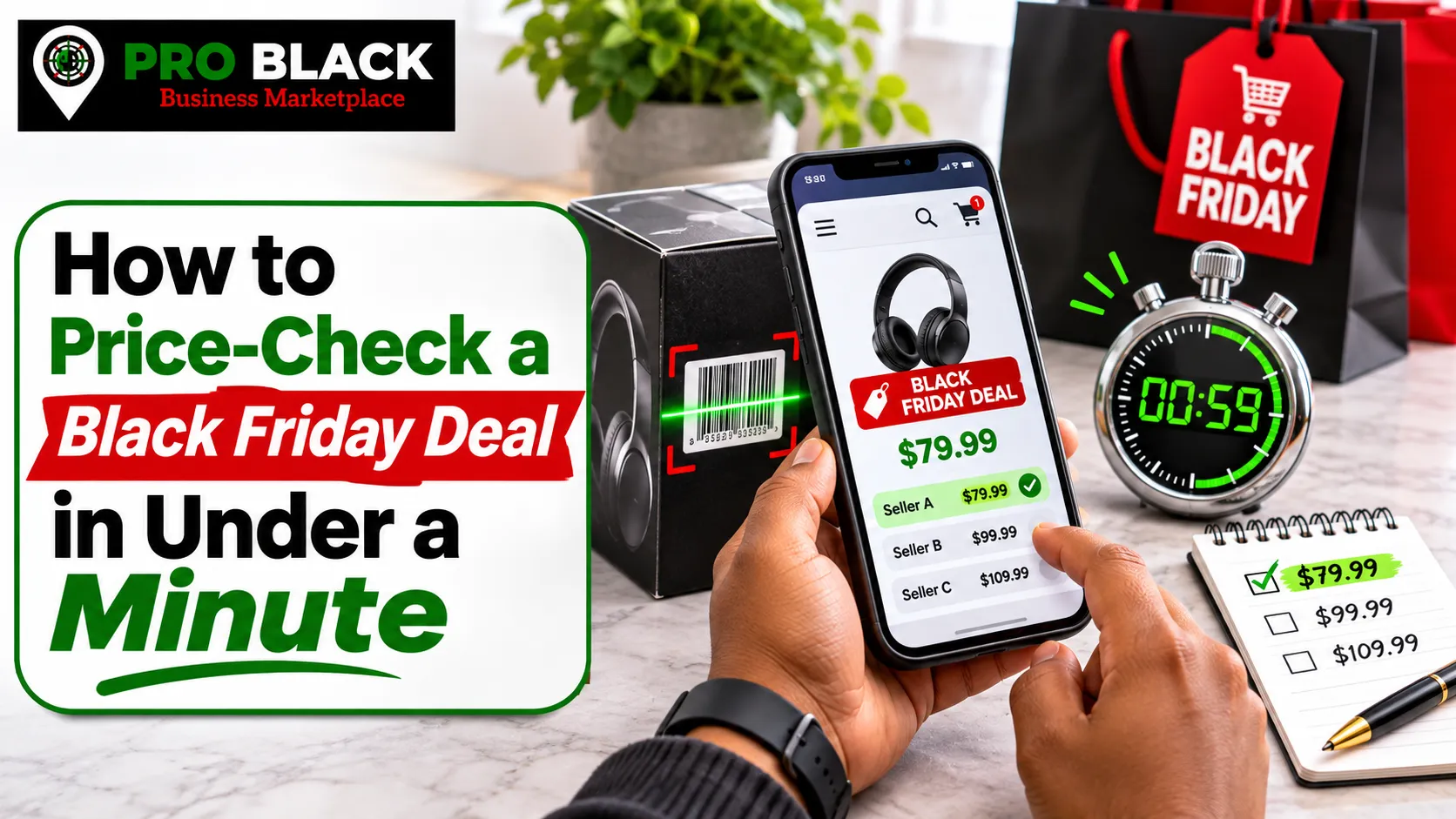
If you search the product and cannot find any record of it selling at the "was" price, that price is probably invented. Real prices leave a trail. Fake ones do not. A quick look at an item's price over recent months usually settles it. If the "original" number never actually appears in that history, it was built for the sale banner, not for real buyers.
The discount is suspiciously round and huge
Genuine markdowns tend to be specific and moderate because real margins are tight. A clean "80 percent off" on a brand-new, in-demand item is a storytelling number, not an accounting one. Legitimate clearance does happen, but it usually looks like an odd figure on older stock, not a perfectly round headline on the season's hottest product.
The same item is cheaper elsewhere at "full price"
Nothing exposes a fake discount faster than finding the same product for less on another site with no sale at all. If the "deal" price is not even the lowest price around, the tag is theater. This is why a thirty-second comparison across sellers is worth more than any banner.
Everything in the store is on a mega-sale
When literally every item is 70 to 90 percent off all the time, the "sale" is just the business model. Permanent discounts are not discounts. They are the real prices with decoration. A store that is always having its biggest sale ever is really just showing you its everyday prices with extra urgency bolted on.
What to do instead
Catching fake discounts is simple once you stop trusting the tag and start trusting the total.
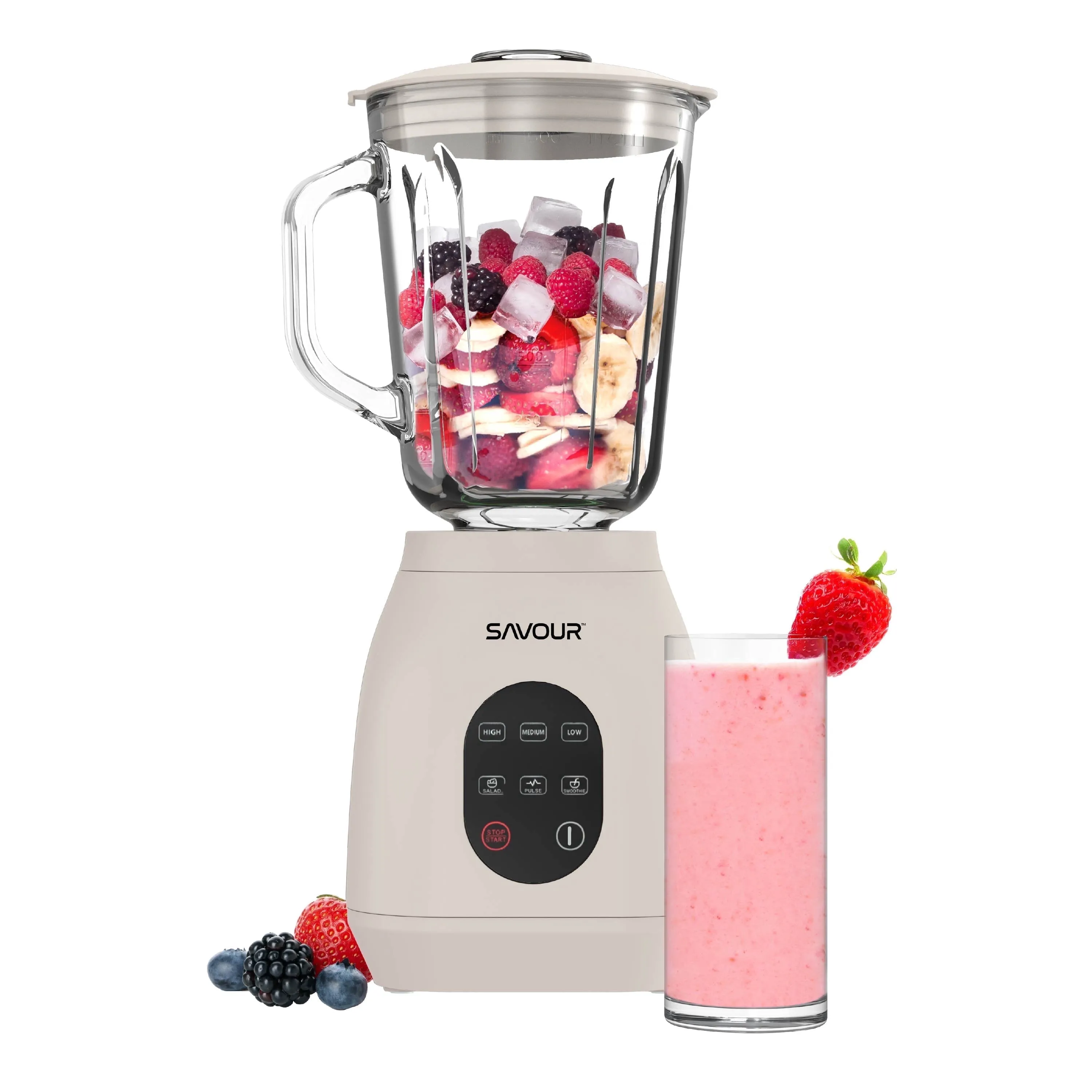
Savour by Tzumi 500W Touchscreen Smoothie Blender
- Ignore the crossed-out price. Judge the item by what you pay today, not by a number you cannot verify.
- Check the real price history. Look at what the product has actually sold for over recent months.
- Compare two or three sellers. A fair price usually shows up in more than one place.
- Ask the Tuesday test. Would you pay this price on an ordinary day with no sale banner? If not, pass.
None of this takes long. A minute of checking beats an hour of buyer's remorse, and the habit pays off every time you shop, not just during Black Friday. The best part is that it works on any store and any tag. You are not memorizing which sellers to trust. You are carrying one simple test you can run anywhere, which means no banner can catch you off guard again.
Why honest pricing beats a flashy tag
A real deal does not need a costume. When a price is fair, it looks fair on its own, with no crossed-out drama required. That is the standard we hold ourselves to at ProBlack, because you deserve to know what you are paying without decoding a magic trick first.

Saisze Face Scrub Pads with Turmeric and Kojic
The brands and sellers on our marketplace are Black-owned, and the prices are what they are: honest, upfront, and yours to verify. That is more valuable than any 80 percent off banner, because you can actually trust it. Trust compounds over time. A store that never tries to fool you is one you can shop quickly and confidently, which is worth more than a single flashy number.
The psychology behind the big tag
Fake discounts work because they target feelings, not logic. A huge percentage triggers a sense of scarcity and urgency, the worry that if you do not act now you will miss out. That feeling is engineered on purpose, and it is strongest when the number is biggest. Understanding this is half the defense. When you notice that rush of "I have to buy this right now," treat it as a signal to slow down rather than speed up. The tags that make you feel the most urgency are usually the ones that deserve the most doubt, because urgency is the product being sold, not the item.

Hybrid Active Noise Cancelling Headphones 53DB
Shop smart on ProBlack
The next time a giant discount tag gives you that urgent "buy now" feeling, slow down for ten seconds and ask what the starting price really was. Most of the time, the thrill fades and a fair, ordinary price is left behind. Shop where the number is honest from the start, and you will never have to guess.
FAQ
Can a big discount ever be real? Yes, genuine clearance and overstock deals exist. The difference is that a real markdown holds up when you check the price history and compare sellers, while a fake one falls apart the moment you look past the crossed-out number.
How do I check an item's real price history? Search the exact product name and look at what it has sold for over the past few months, using search results or a price-tracking tool. If the "was" price never actually appears in that history, treat it as invented.
Why does a store put everything on permanent sale? Because a constant "sale" makes everyday prices feel like bargains and adds urgency to every visit. When every item is always heavily discounted, the sale price is simply the real price, and the discount is just decoration.
SKIP THE FAKE TAGS. SHOP HONEST PRICES ON PROBLACK AND BUY WITH CONFIDENCE.
More to read before you spend: