Table of Content
The Rise of the Buy Black Movement
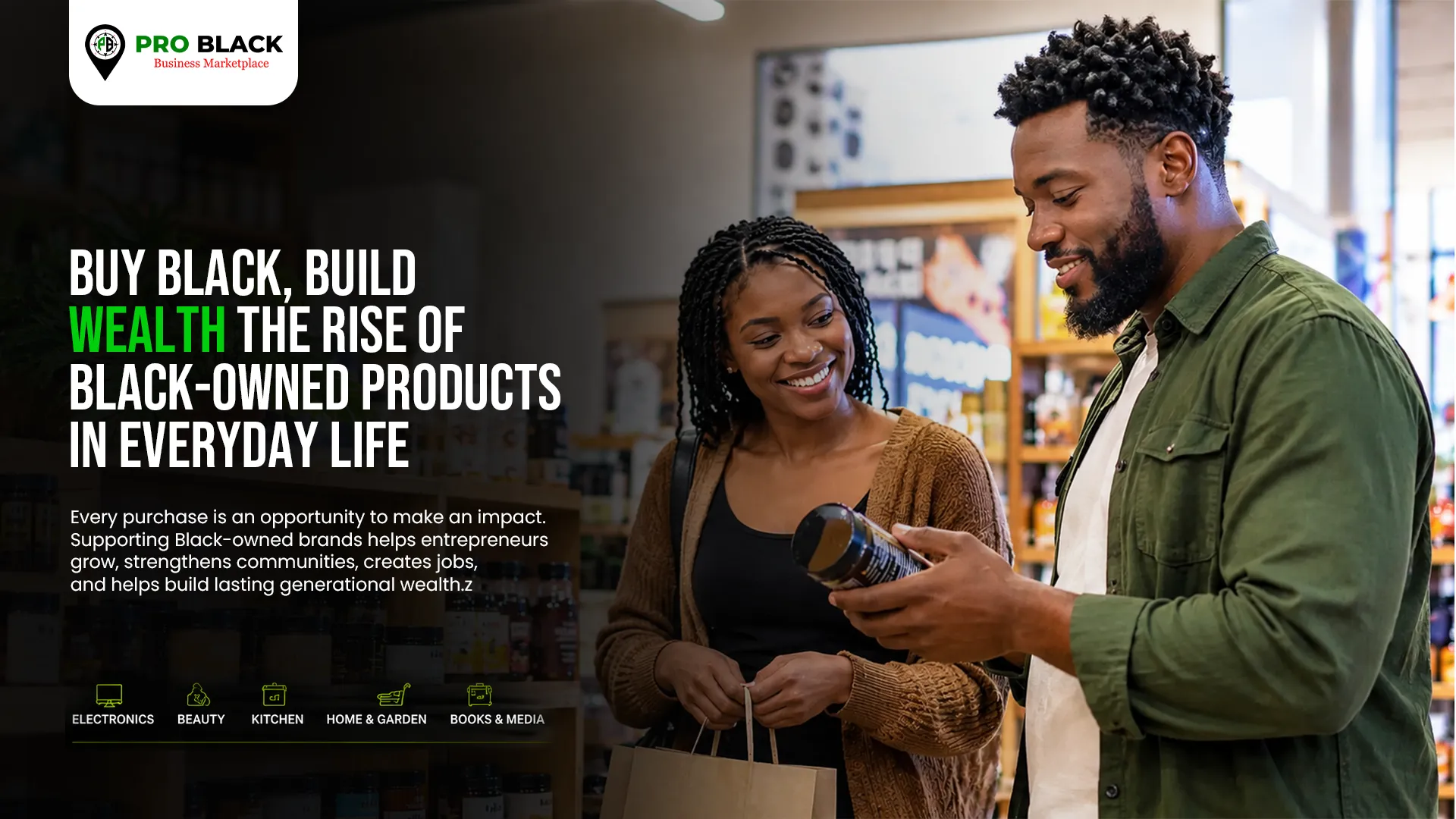
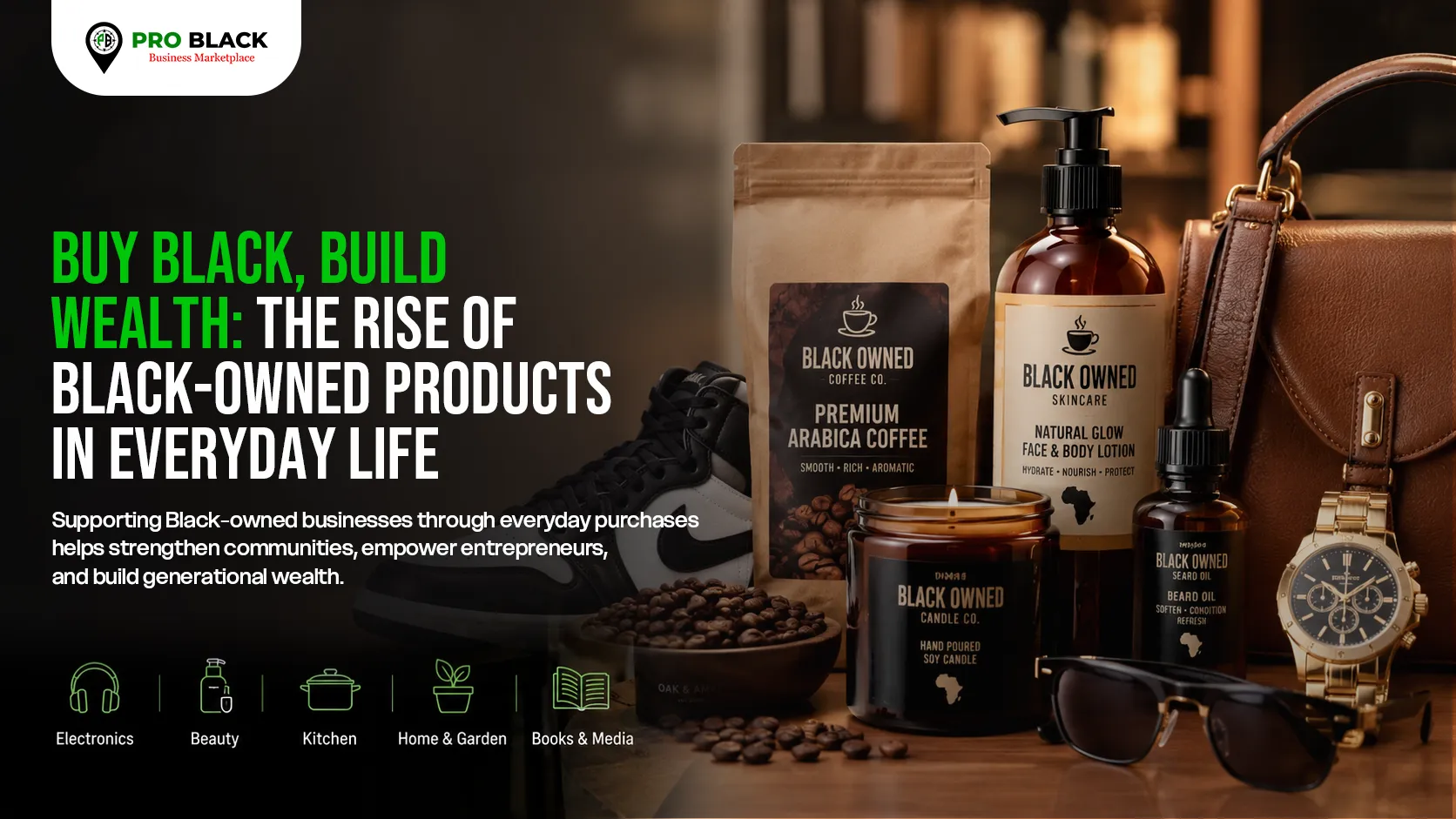
A decade ago, "buy black" was a niche hashtag. Today, it's a full-fledged consumer movement. Shoppers are no longer just asking whether a product works they're asking who made it, and whether their dollars are helping build something lasting. That shift has pushed black owned products from a specialty aisle into the mainstream spotlight, appearing in big-box retailers, national ad campaigns, and everyday shopping carts.
This isn't charity shopping. It's smart shopping. Black entrepreneurs have built some of the most innovative, high-quality brands across nearly every category often because they identified gaps that larger, legacy companies overlooked.
Why Buying Black Builds Real Wealth
Every dollar spent with a Black-owned business has a ripple effect. It funds payroll for Black employees, reinvestment in Black neighborhoods, and capital for the next generation of founders. Economists often refer to this as the "velocity of money" how many times a dollar circulates within a community before leaving it. Historically, that number has been dramatically lower in Black communities than in others, which is part of why intentional support for black owned products matters so much right now.
Buying black isn't just symbolic it's one of the most direct, everyday actions a consumer can take toward closing the racial wealth gap.
Industries Where Black-Owned Brands Are Leading
1. Beauty and Haircare
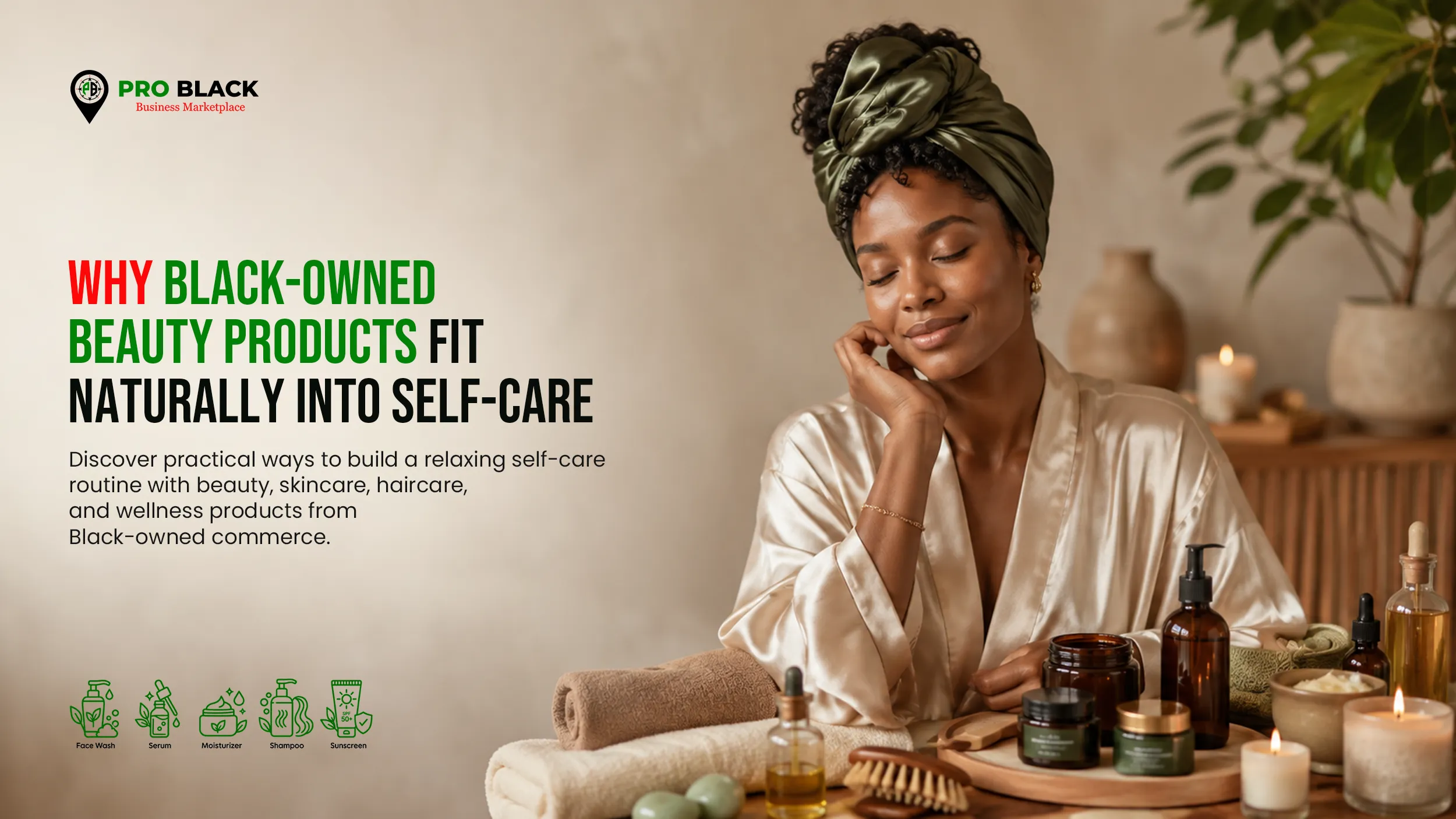
This is the category most people think of first and for good reason. Black-owned beauty brands have pioneered clean, inclusive formulations for textured hair and diverse skin tones, forcing an entire industry to rethink "one-size-fits-all" products.
2. Food and Beverage
From small-batch hot sauces to award-winning coffee roasters and wineries, Black-owned food brands are landing on grocery store shelves nationwide, bringing bold flavors and family recipes to a much bigger audience.
3. Fashion and Accessories
Black designers are shaping streetwear, luxury fashion, and everyday basics alike often blending cultural storytelling with sharp, modern design.
4. Home, Tech, and Wellness
Beyond the obvious categories, Black founders are building candle companies, tech startups, fitness apps, and wellness brands that are quietly becoming category leaders.
How to Start Buying Black Today
Follow #BuyBlack and #BlackOwned on social platforms to discover new brands.
Use black-owned business directories and marketplaces when shopping online.
Check brand "About Us" pages many Black-owned companies proudly share their founder story.
Swap just one category (like skincare or coffee) to a black-owned alternative this month.
You don't need to overhaul your entire shopping list overnight. Even small, consistent swaps toward black owned products add up to meaningful economic impact over time.
Final Thoughts
The "buy black" movement is bigger than a trend it's a long-term shift in how conscious consumers spend their money. Every purchase is a vote for the kind of economy we want to build. Choosing black owned products is a simple, powerful way to cast that vote every single day.
FAQs
Frequently Asked Questions
1. What does "Buy Black" actually mean?
It refers to intentionally choosing to purchase goods and services from businesses owned by Black entrepreneurs, with the goal of supporting community wealth-building and closing longstanding economic gaps.
2. Are Black-owned products more expensive than mainstream alternatives?
Not inherently. Pricing depends on the brand, category, and production scale many Black-owned businesses are competitively priced, though smaller operations without mass-production advantages may price slightly higher to sustain quality and fair wages.
3. How can I find Black-owned businesses near me or online?
Many retailers now feature dedicated Black-owned collections, and several directories and apps are built specifically to help shoppers locate verified Black-owned brands across categories like food, beauty, and home goods.
4. Does buying from Black-owned businesses really make a measurable difference?
Yes. Consistent consumer spending helps businesses stay open, hire more employees, and reinvest in their supply chains, effects that compound over time, especially when purchases are repeated rather than occasionally.
5. Is this movement only relevant during specific months or holidays?
No. While awareness often spikes during certain observances, the long-term economic impact depends on everyday, year-round purchasing habits rather than seasonal spending spikes.