Table of Content
Quick verdict
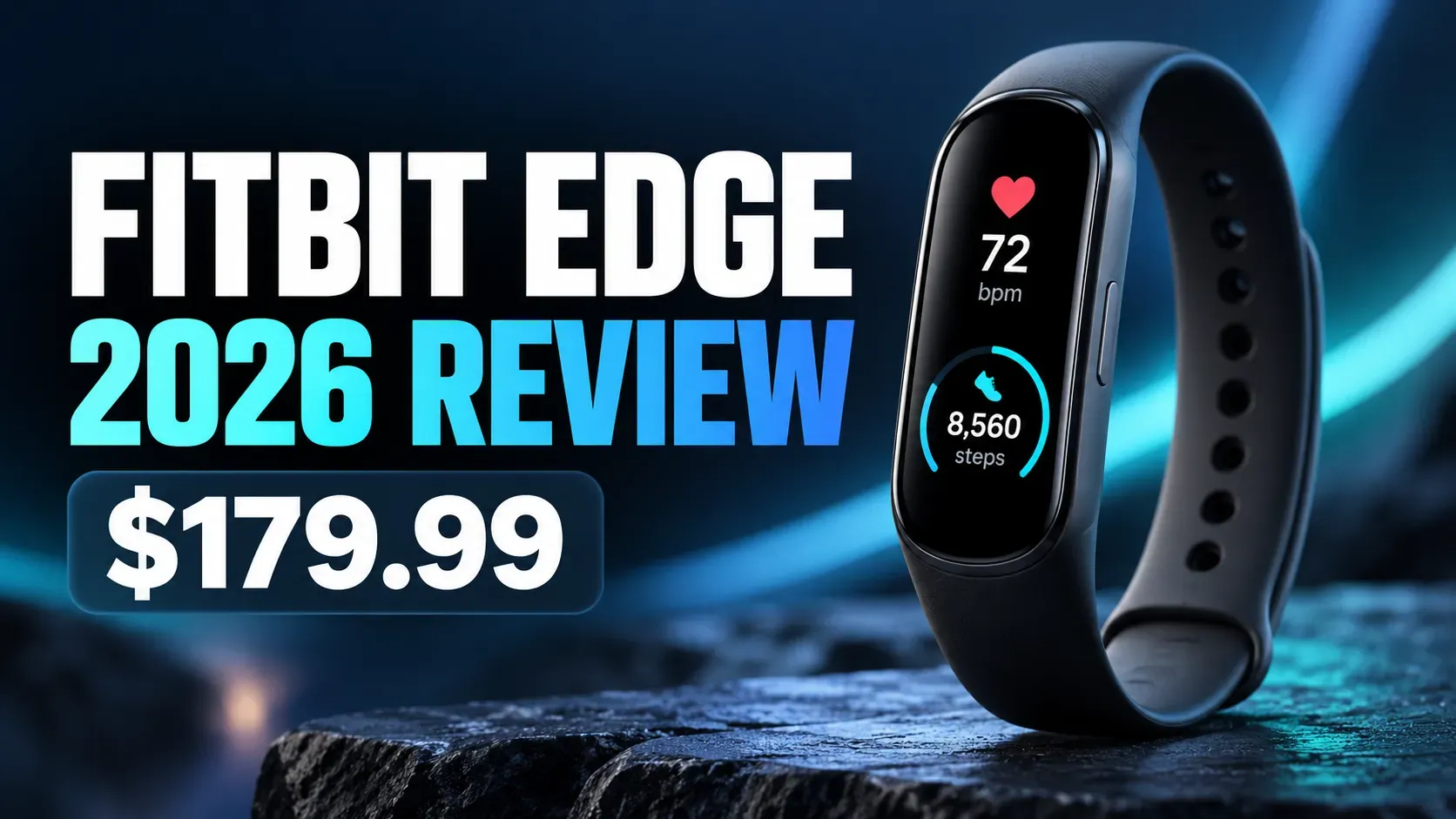
The Google Fitbit Edge ($179.99) is one of the easiest fitness wearables to recommend in 2026. You get a bright 1.34-inch AMOLED screen, up to 7 days of battery, built-in GPS, and genuinely deep health tracking, all working on both Android and iPhone. The two catches: its smartest AI coaching lives behind a Google Health Premium subscription, and there is no NFC for tap-to-pay. If those do not bother you, it is excellent value.
Google has spent the last few years folding Fitbit deeper into its hardware family, and the Fitbit Edge is the clearest result yet. It launched on October 27, 2026 at $179.99, and it is pitched right at the sweet spot between a cheap no-screen band and a full smartwatch. The promise is simple: smartwatch-style information at a glance, without the smartwatch tax on your battery or your wallet.
We have gone through every spec, feature and trade-off to answer the only question that matters: is the Fitbit Edge actually worth $179.99 in 2026? Here is the full breakdown.
Google Fitbit Edge specs at a glance
| Spec | Google Fitbit Edge |
|---|---|
| Price | $179.99 (Curry edition $219.99) |
| Release date | October 27, 2026 |
| Display | 1.34" AMOLED (46% larger, 40%+ brighter than predecessor) |
| Battery life | Up to 7 days (always-on display off) |
| Connectivity | GPS, Bluetooth 5.4 |
| Storage | 64MB |
| Water resistance | 5ATM / IP68 |
| Dimensions / weight | 39.22 x 25.56 x 11.58mm / 17.7g |
| Workout modes | 50+ modes, auto-detects up to 100 workout types |
| Health tracking | Heart rate, sleep, recovery, altimeter, blood pressure & insulin resistance trends |
| Compatibility | Android 11+ and iOS 16.4+ |
| Contactless pay (NFC) | No |
| Colors | Obsidian, Olive, Canyon, Fog |
Specifications reflect launch information as of October 2026 and may change.
Design and display: small, light and surprisingly premium
The first thing you notice is how little the Edge weighs. At 17.7g it practically vanishes on the wrist, which is exactly what you want from a device you are meant to wear to bed every night. The slim case and soft bands make all-day and all-night wear comfortable in a way bulkier smartwatches never quite manage.
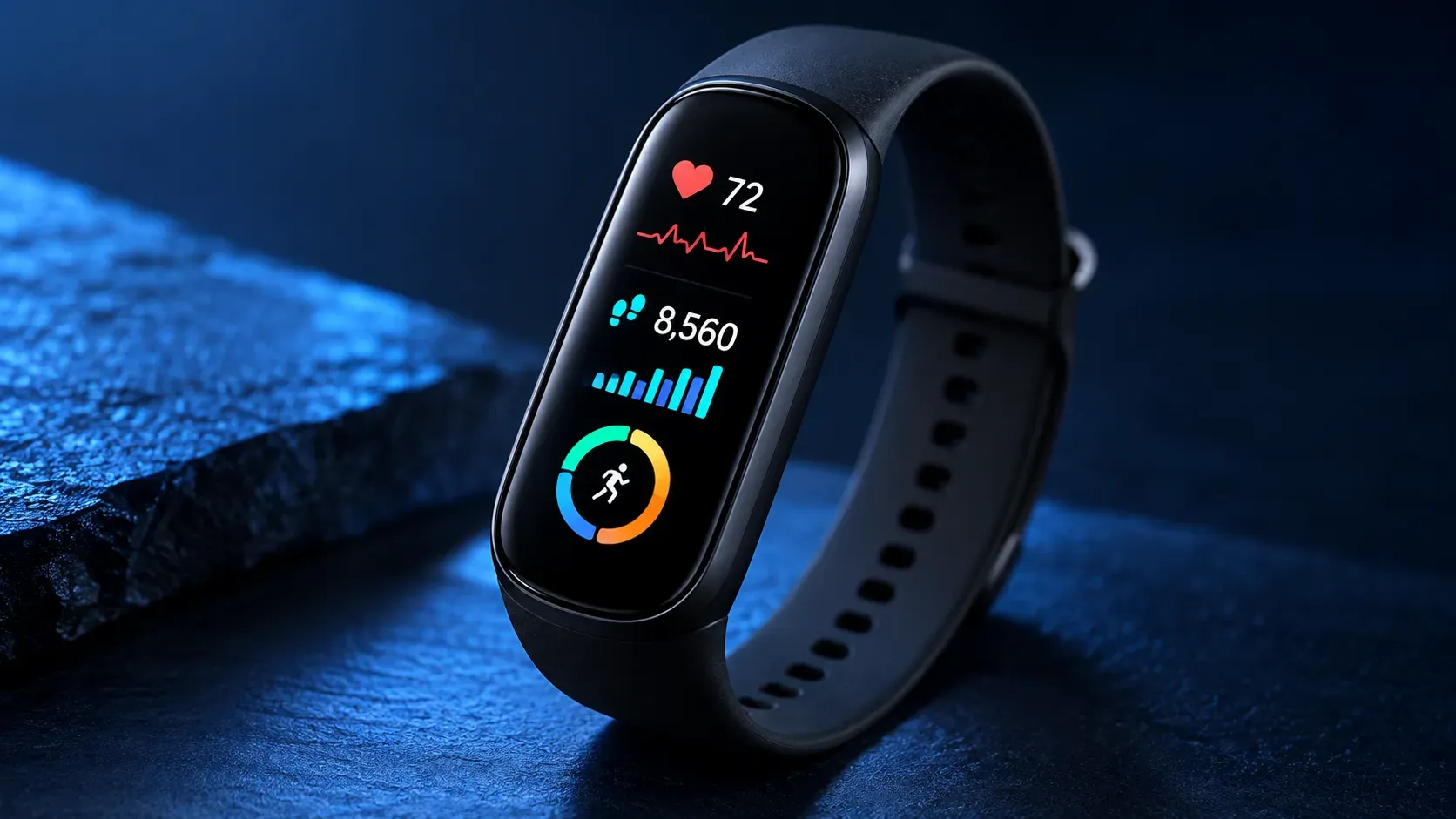
The star is the 1.34-inch AMOLED screen. Google says it is 46% larger and more than 40% brighter than the previous generation, and in practice that means readable stats in direct sunlight and vivid, high-contrast watch faces. For a tracker at this price, the display genuinely feels a step above. A single mechanical side button keeps navigation simple, and the four colorways (Obsidian, Olive, Canyon and Fog) plus a band range from $39.99 to $149.99 let you make it your own.
With 5ATM and IP68 ratings, the Edge shrugs off sweat, rain, showers and swims, so you never have to think about taking it off.
Battery life: the 7-day headline that actually matters
Battery life is where the Fitbit Edge quietly wins the category. Google rates it for up to 7 days on a charge with the always-on display off (closer to two days with it always on). That number changes how you use the device. You can track sleep every night for a week, wear it on weekend trips without packing a charger, and generally forget that charging is a chore at all.
Compare that to the roughly 18 hours of an Apple Watch SE or the one to two days of a Galaxy Watch FE, and the practical gap is enormous. The wearable that is on your wrist collecting data is always more useful than the one sitting on a charger, and the Edge is designed to stay on your wrist.
Health and fitness tracking: the real reason to buy
This is the Edge's core strength. It tracks continuous heart rate, full sleep stages, recovery and readiness, and includes an altimeter for elevation on hikes and climbs. It offers more than 50 exercise modes and automatically recognizes up to 100 workout types, so a forgotten start button no longer means a lost workout.
Google has also pushed into deeper health territory with trend tracking for blood pressure and insulin resistance, areas most budget wearables ignore entirely. Fitbit's long-standing advantage holds up here too: its sleep scores and readiness insights remain some of the clearest and most actionable in the business, presented in plain language rather than a wall of numbers.
If your main reason for buying a wearable is to understand your body, your sleep, your recovery and your long-term trends, the Edge delivers more than almost anything else near its price.
A tracker is only as good as the habits it helps you build. The Edge's strength is turning a week of uninterrupted data into insights you will actually act on.
The Google Health Premium question
Here is the asterisk on the whole experience. The Edge's smartest features, the AI coaching that interprets your data and tells you what to do next, require a Google Health Premium subscription. The watch ships with a three-month trial for eligible buyers, which is generous, but after that the coaching layer becomes a recurring cost.
The good news: the core tracking, heart rate, sleep, steps, GPS, workout detection and the health trends, works without a subscription. You only pay if you want the AI-driven guidance on top. Before you buy the Edge specifically for its coaching, be honest with yourself about whether you will keep paying for it. If you will, the value is strong. If not, you are still getting an excellent tracker, just not the full pitch.
Before you buy
Treat the three-month Premium trial as a test drive. Use it fully, then decide whether the AI coaching earns a place in your budget. The Edge is a great tracker either way, but only worth the premium price-plus-subscription combo if you will actually use the coaching.
What is missing: no NFC, no tap-to-pay
The most notable omission is NFC. The Fitbit Edge cannot make contactless payments, so you cannot tap your wrist to pay for coffee the way you can with an Apple Watch SE or Galaxy Watch FE. For some people that is a non-issue. For others who have grown used to leaving their wallet at home, it is a real step back. It is the clearest line between the Edge and a true smartwatch, and worth weighing before you buy.
Setup and the Fitbit app experience
Getting started with the Edge is refreshingly painless. You download the Fitbit app, create or sign in with a Google account, and the watch pairs over Bluetooth in a couple of minutes. Because the Edge works on both Android and iPhone, the process is the same whichever phone you carry, which is a relief if your household mixes platforms.
The Fitbit app itself remains one of the clearest in the category. The home screen surfaces your key stats, steps, heart rate, sleep score and readiness, without forcing you to dig through menus. Historical charts are easy to read, and the weekly and monthly views make long-term trends obvious rather than burying them. This is where Fitbit's years of experience show: the data is not just collected, it is explained. For a first-time wearable owner, that approachability is worth as much as any sensor.
How accurate is the Fitbit Edge in real use?
Step counting, heart rate and sleep tracking on recent Fitbit hardware have been dependable, and the Edge carries that reputation forward. Continuous heart rate holds up well during steady-state activity like walking, cycling and running, and the automatic workout detection is quick to notice when you start moving. Built-in GPS means your outdoor runs and rides are mapped without dragging your phone along, which is one of the biggest practical upgrades over a basic band.
No wrist-based wearable is a medical device, and the newer metrics deserve a note of caution. Blood pressure and insulin resistance figures are presented as trends, useful for spotting patterns over time rather than for diagnosing anything. Treat them as helpful signals that are worth discussing with a professional, not as clinical readings. Used that way, they add real value to the picture the Edge paints of your health.
Fitbit Edge vs older Fitbit models
If you already own an older Fitbit, the Edge's pitch is the combination of a far better screen and the same reliable week-long battery you are used to. The 1.34-inch AMOLED is the headline upgrade, 46% larger and more than 40% brighter than the previous generation, which makes glancing at stats mid-workout genuinely easier. The deeper health trends and the up-to-100 automatic workout types also push it ahead of the trackers it replaces. Whether that justifies an upgrade depends on how old your current Fitbit is, but for anyone coming from a two or three year old band, the jump is significant.
Who should buy the Fitbit Edge?
Buy it if
You want long battery life, a bright screen and deep health tracking, you switch between or mix Android and iPhone, and you care more about understanding your body than paying from your wrist. At $179.99 it is strong value for exactly this buyer.
Skip it if
You need tap-to-pay, you want a full app-running smartwatch, or you have no intention of paying for Google Health Premium and feel you would be leaving half the device unused. In those cases a Galaxy Watch FE, an Apple Watch SE, or a much cheaper basic tracker may serve you better.
Is the Fitbit Edge worth it? Our verdict
Yes, for the right person. The Fitbit Edge nails the fundamentals that most people actually care about: it is light, it has a great screen, it lasts a week, and it tracks your health in genuinely useful detail across both phone platforms. The subscription-gated AI coaching and the missing NFC are real caveats, but neither undermines the core experience. At $179.99 it is one of the best value fitness wearables of 2026.
Want fitness tracking for less?
Pro Black stocks affordable smartwatches from verified Black-owned sellers that track heart rate, sleep and 100+ sport modes for under $50.
Affordable alternatives on Pro Black
If $179.99 plus a subscription is more than you want to spend, you do not have to skip fitness tracking altogether. Shopping from verified Black-owned sellers on Pro Black gets you the daily basics for a fraction of the price, and keeps your money in the community. A metal-body smartwatch with 120 sport modes handles heart rate, sleep and steps with Bluetooth calling, while the larger-screened P6P 1.96-inch smartwatch adds a flashlight and works with both iPhone and Android. Prefer something simple and rugged for the gym? A waterproof digital sport watch never needs charging.
Shop smartwatches on Pro Black
Real listings from verified Black-owned sellers, each linked straight to its product page.
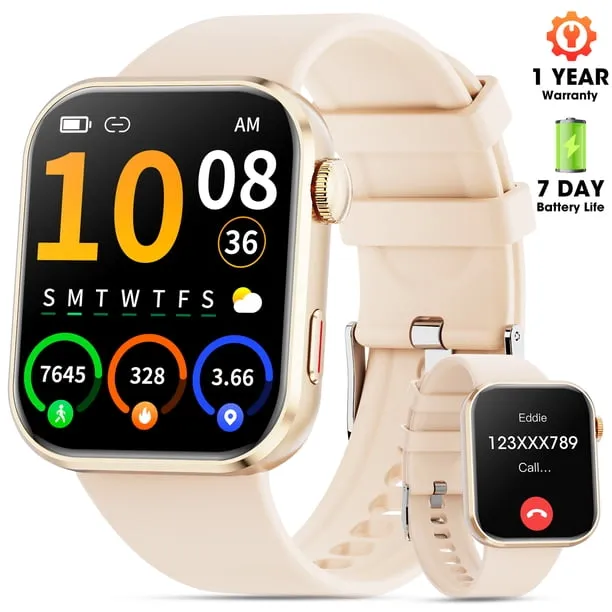
Metal-Body Smartwatch, 1.93", 120 Sport Modes
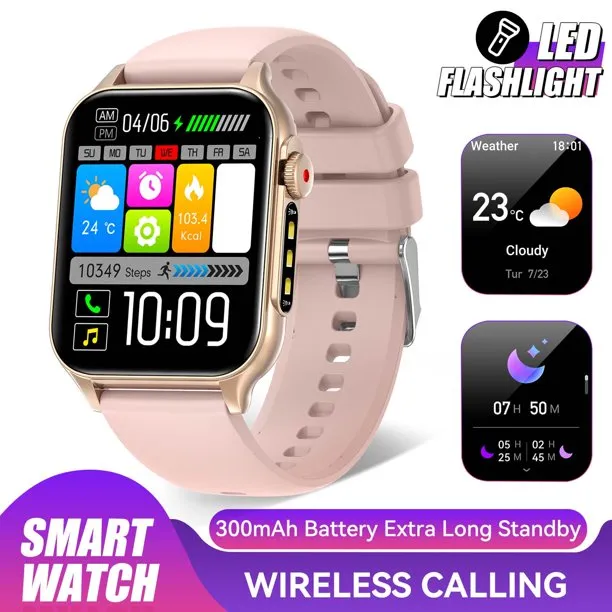
P6P 1.96" Smartwatch, 100+ Sport Modes
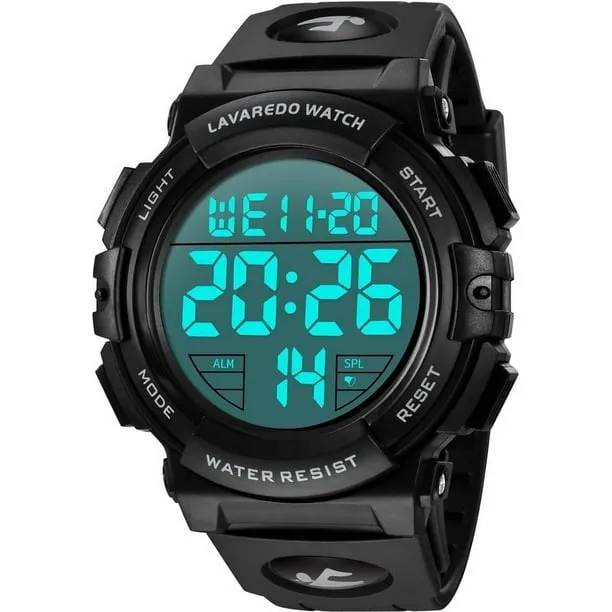
Waterproof Digital Sport Watch
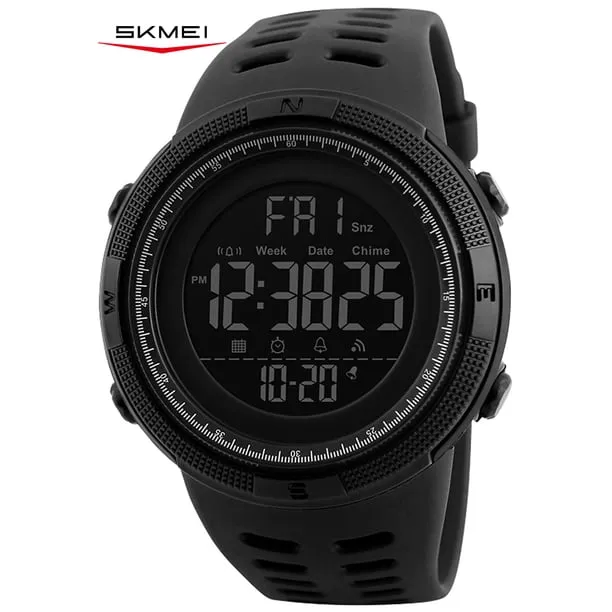
Military-Style Waterproof Digital Watch
Frequently Asked Questions
How much does the Google Fitbit Edge cost?
The standard Fitbit Edge is $179.99, and the Stephen Curry special edition is $219.99. Both include a three-month Google Health Premium trial for eligible buyers, and extra bands run from $39.99 to $149.99.
How long does the Fitbit Edge battery last?
Up to 7 days on a single charge with the always-on display off (closer to two days with it always on), far more than the roughly 18 hours of an Apple Watch SE or the one to two days of a Galaxy Watch FE.
Does the Fitbit Edge have NFC payments?
No. The Edge does not include NFC, so it cannot make contactless tap-to-pay purchases. If that matters to you, consider the Apple Watch SE or Galaxy Watch FE instead.
Does the Fitbit Edge work with iPhone?
Yes. The Fitbit Edge supports both Android 11 and later and iOS 16.4 and later, so it works with most modern phones on either platform.
Is the Fitbit Edge worth $179.99?
For buyers who value long battery life, a bright screen and deep health tracking, and who do not need tap-to-pay, it is excellent value. If you will not subscribe to Google Health Premium or you need NFC, weigh the alternatives first.
Explore more tech guides: Wireless headphones under $50, iPhone 18 Pro Max vs Galaxy S26 Ultra, and best Chromebook Plus laptops. Shop smartwatches and more from verified Black-owned sellers in our Electronics category.
Ready to track your fitness?
Compare affordable smartwatches and fitness trackers from verified Black-owned sellers on Pro Black, and download the app to shop on the go.
Disclosure: specifications and prices are based on launch-period information as of October 2026 and may change. Always confirm current details before buying.