
Table of Content
Nobody gets excited about a charger. It is the device that keeps all your other devices alive, which means it quietly matters more than almost anything else in your bag. A slow or unreliable charger turns a great phone into a dead rectangle at the worst possible moment. Black Friday is the right time to fix that, because good charging gear rarely goes on sale the rest of the year.
The problem is that this category is flooded with cheap junk and confusing numbers. Watts, amps, mAh, and a soup of port names make it hard to know what you are actually buying. This guide cuts through it so you can walk into Black Friday knowing exactly what a real deal looks like, and so you never again get burned by a cable that throttles your fast charger down to a crawl.
Understand what the numbers mean
You do not need an engineering degree, just a few plain-English translations.
- Watts (W): How fast a charger can deliver power. Higher watts means faster charging, up to whatever your device can accept.
- mAh: The size of a power bank's tank. Higher mAh means more charges before the bank itself needs recharging.
- USB-C Power Delivery (PD): The modern standard for fast, safe charging. Prioritize it.
- Ports: More ports means charging more devices at once, but total power is often shared across them.
A phone, tablet, and laptop all want different amounts of power. Matching the charger to your most demanding device is the whole game. If you own a laptop that charges over USB-C, size your charger around that laptop, since anything that can feed the laptop will easily feed your phone too.
Picking the right power bank
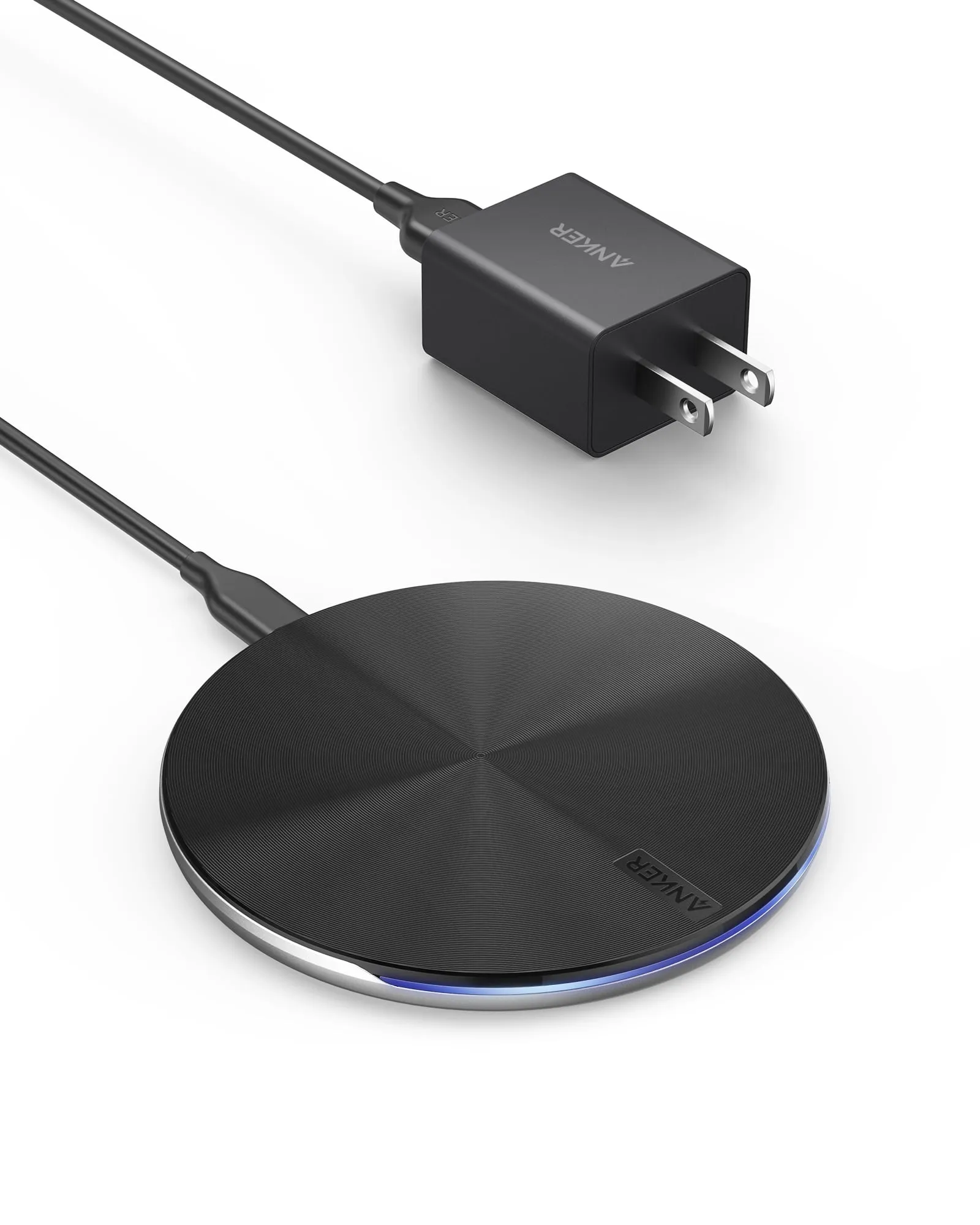
Anker Powerwave Pad Lite Wireless Charging Pad
Capacity for your life
Think about how many top-ups you need between outlets.
- Everyday carry: A slim bank that fits a pocket and tops up a phone once or twice.
- Travel and long days: A larger bank that can refill a phone several times or charge a tablet.
- Laptop power: A high-capacity bank with USB-C PD rated high enough to run a laptop. Check the wattage carefully here, since many banks cannot keep up.
Real capacity versus the label
A power bank never delivers its full rated capacity to your phone, because some energy is lost converting voltage and some is held back to protect the cells. A bank labeled with a big number will charge your phone fewer times than simple math suggests, so do not be surprised if a large bank tops up your phone a couple fewer times than the sticker implies. Buy a little more capacity than you think you need to cover that gap.
Airline rules
If you fly, capacity matters for more than convenience. Most airlines cap the power bank size you can carry on. Larger banks may not be allowed, so check before you buy if travel is the point. Keep power banks in your carry-on, never in checked luggage, and keep the printed capacity visible in case a gate agent asks.
Wall chargers and cables
A great phone bundled with a weak charger is common. Upgrading the brick is one of the cheapest ways to make your whole setup feel faster.
- GaN chargers run cooler and smaller than older designs, so a compact brick can push serious power.
- Multi-port chargers let one brick handle your phone, earbuds, and laptop, which means one plug instead of three.
- Cables are not all equal. A cheap cable can bottleneck a fast charger. Look for cables rated for the wattage and data you need, and avoid the mystery bin specials.
A single good GaN brick with two or three ports can replace a tangle of old chargers on your desk and in your travel kit, which is why it is one of the smartest small upgrades you can make during a sale.
Safety is not optional
Cheap, uncertified charging gear is a genuine fire and device risk. Look for proper safety certifications, over-current protection, and reputable sellers. A charger that saves a few dollars but cooks your battery is the most expensive thing you can buy. Trust your senses too: a charger or bank that runs very hot, buzzes, or smells of burning plastic should be unplugged and retired immediately, not nursed along for one more trip.
A quick charging checklist
| Check | What good looks like |
|---|---|
| Wattage | High enough for your most demanding device |
| Standard | USB-C Power Delivery, not an off-brand fast-charge gimmick |
| Capacity | Enough top-ups for your day, with a buffer for conversion loss |
| Ports | Enough to cover your real devices at once |
| Cable | Rated for the wattage and data you actually need |
| Safety | Clear certifications and a seller you trust |
What to look for on ProBlack
ProBlack is a Black-owned marketplace with over 7,500 products and honest pricing, so you see the real number on every page with no invented discounts. Charger and power bank stock changes, so rather than point you at one model, shop the live category and apply the checklist.
- Shop electronics on ProBlack and look for charging gear.
- Match wattage to your most demanding device, usually a laptop or tablet.
- Choose power bank capacity based on how many top-ups you need and whether you fly.
- Prioritize USB-C Power Delivery and certified safety features.
- Do not skimp on the cable. It can make or break charging speed.
The best charging setup is the one you stop thinking about. You plug in, it works fast, and you get on with your day. That reliability is worth getting right.
FAQ
How many watts do I need for my phone? Most modern phones top out at a charging speed well below what a laptop needs, so a mid-power USB-C charger will fill a phone quickly. If you only charge a phone and earbuds, you do not need the largest brick on the shelf. If you also charge a laptop, size up so one charger covers everything.
Why does my fast charger seem slow? The most common culprit is the cable. A cheap or old cable can limit the power that reaches your device no matter how strong the charger is. Swap in a cable rated for the wattage you want and the problem often disappears. The charging standard on both ends has to match as well.
Can I leave a power bank plugged in all the time? It is better not to leave it charging indefinitely. Good power banks have protection circuits, but topping it up when it gets low and unplugging it once full is kinder to the cells and reduces heat. Store it partly charged rather than fully drained if it will sit unused for a while.
KEEP YOUR DEVICES ALIVE AND YOUR DOLLARS CIRCULATING IN THE COMMUNITY. EXPLORE THE PROBLACK MARKETPLACE AND GRAB DEPENDABLE CHARGING GEAR THIS BLACK FRIDAY.
For the bigger picture, read our Black Friday and Cyber Monday electronics deals guide, pair your new power bank with picks from our headphone and earbud deals roundup, and decide your timing with our buy now or wait for Black Friday breakdown.