Table of Content
Their relationships with customers.
Websites, social media communities, email lists, creator partnerships, online marketplaces, pop-up events, independent retail relationships, and word-of-mouth marketing are giving entrepreneurs more ways to reach customers.
The rise of black owned online stores is part of this broader shift.
Instead of waiting for a major retailer or corporation to decide which businesses deserve visibility, entrepreneurs can build their own audiences, sell directly to customers, tell their own stories, and create communities around their products.
The market opportunity is significant.
Numerator estimates that Black consumers account for more than $370 billion in spending across consumer packaged goods, general merchandise, and quick-service restaurants in 2026, representing nearly 12% of total spending across those areas.
The National Urban League's 2026 research also highlights Black consumer influence across categories such as beauty, wellness, groceries, travel, and financial products. Its research emphasizes authenticity and cultural relevance as important factors influencing purchasing decisions.
So the story of Black-owned businesses in 2026 is not simply about changes in corporate DEI.
It is about entrepreneurs creating greater control over how they build and grow their businesses.
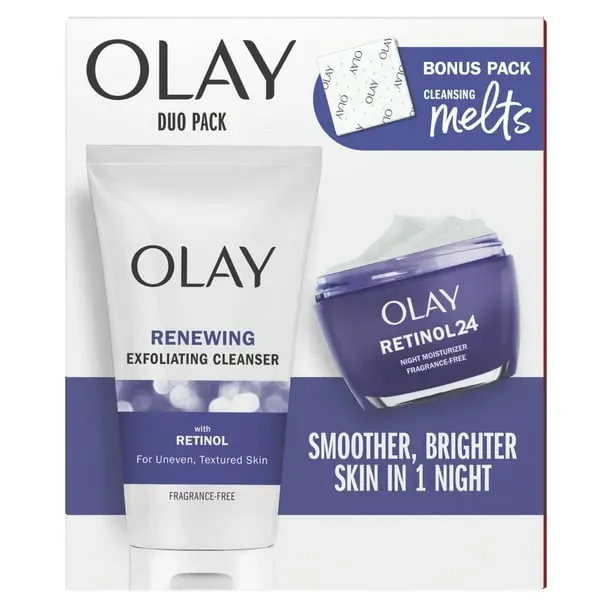
Olay Skin Care Beauty Retinol Duo Pack Gift Set
2026 at a Glance
| Major Shift | What It Means for Black-Owned Brands |
|---|---|
| Corporate DEI strategies are changing | Brands need diversified growth channels |
| E-commerce is expanding | Founders can sell directly to customers |
| Social commerce is growing | Content can become a powerful discovery tool |
| Creator marketing is expanding | Smaller brands can reach targeted audiences |
| Consumer expectations are changing | Authenticity and value matter more |
| Rising cost pressure | Brands must communicate value clearly |
| Community-led marketing is growing | Customers can become brand advocates |
| Online marketplaces are expanding | Small brands can reach customers beyond their local markets |
| Direct customer relationships are becoming more important | Businesses can reduce dependence on individual retailers |
The message is simple: The more channels a brand controls, the more resilient it can become.
What Does "Thriving Without Corporate DEI" Really Mean?
The phrase needs some context.
It does not mean every Black-owned company is thriving.
Running a small business remains difficult. Entrepreneurs still have to manage manufacturing costs, marketing expenses, competition, hiring, logistics, financing, customer acquisition, and changing consumer behavior.
It also does not mean corporate partnerships no longer matter.
They do.
A major retail partnership can introduce a small brand to millions of shoppers.
A corporate supplier program can create valuable opportunities.
A national campaign can generate awareness that would otherwise take years to build.
The important difference is dependence.
A brand that depends entirely on one major retailer, social platform, advertising channel, or corporate partnership can become vulnerable if that relationship changes.
A brand with its own website, email community, social audience, creator relationships, retail partnerships, and repeat customers has more options.
That is what greater independence can look like in 2026.
It does not mean refusing corporate opportunities.
It means building enough alternatives that losing one opportunity does not threaten the entire business.
Why Black Owned Online Stores Are Becoming More Important
Imagine a small beauty company in Atlanta.
Ten years ago, the founder might have needed a distributor, physical retail location, sales representatives, and significant marketing capital to reach customers outside the local market.
Today, that same founder can:
Build an online store
Post product demonstrations
Work with creators
Collect customer emails
Run targeted advertising
Sell nationwide
Create educational tutorials
Collect reviews
Launch products through social media
Build a customer community
The internet has reduced some of the traditional barriers between a small business and a national audience.
This is especially important for Black entrepreneurs because businesses can build communities around highly specific customer needs.
Think about:
Deeper skin tones.
Textured hair.
Culturally relevant fashion.
African and Caribbean food products.
Black children's books and toys.
Inclusive sizing.
Culturally inspired home décor.
Products created around lived experiences.
These are not necessarily small markets.
They can be starting points for much larger businesses.
The Market Opportunity Is Bigger Than One Category
Beauty is often the first category people associate with Black-owned businesses.
But the ecosystem is much broader.
Black-owned businesses are active across beauty, fashion, food, home, travel, wellness, children's products, jewelry, art, stationery, and many other categories.
UK shoppers have also gained access to a growing ecosystem of Black-owned brands. Platforms such as Jamii provide a marketplace and community environment featuring brands across categories including skincare, haircare, fashion, food, homeware, stationery, and jewelry.
This demonstrates something important:
Black entrepreneurship is not a single category. It is an ecosystem.
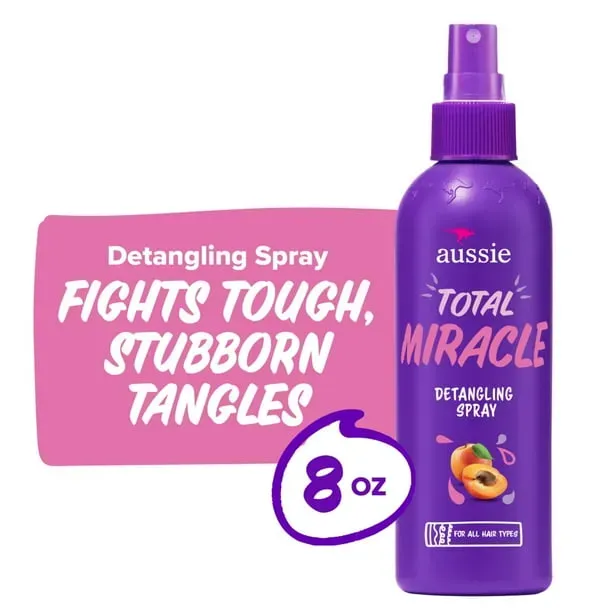
Aussie Total Miracle Hair Detangling Spray with
Black-Owned Business Categories to Explore
| Category | Examples of Products |
|---|---|
| Beauty | Makeup, foundation, lipstick, fragrance |
| Skincare | Cleansers, moisturizers, serums |
| Haircare | Shampoo, conditioners, styling products |
| Fashion | Dresses, streetwear, activewear |
| Jewelry | Earrings, necklaces, rings |
| Food | Sauces, snacks, spices, beverages |
| Home | Candles, décor, kitchen products |
| Wellness | Self-care and lifestyle products |
| Kids | Books, toys, dolls, educational products |
| Art | Prints, paintings, photography |
| Stationery | Journals, planners, cards |
| Gifts | Curated gift boxes and personalized products |
This diversity gives consumers more opportunities to shop intentionally without changing their entire lifestyle.
The Real Power of Direct-to-Consumer
Direct-to-consumer, often called DTC, allows a business to sell directly to shoppers through its own website or digital channels.
This model offers something extremely valuable:
Control.
The founder has greater control over the:
Website
Brand message
Product assortment
Customer experience
Pricing presentation
Product education
Email relationship
Customer data
Launch strategy
Brand storytelling
Retailers still provide important advantages.
Retail provides foot traffic.
It provides credibility.
It allows customers to see products physically.
It can create significant exposure.
But retail does not have to be the entire business.
That is the key.
A strong brand can use retail for reach while using its own digital channels to build lasting customer relationships.
Traditional Retail vs Online-First Growth
| Factor | Traditional Retail | Online-First |
|---|---|---|
| Customer reach | Strong in available markets | Potentially global |
| Brand control | Lower | Higher |
| Customer data | More limited | Greater direct access |
| Physical discovery | Strong | Limited |
| Startup requirements | Often high | Can be lower |
| Storytelling | Limited shelf space | Almost unlimited |
| Community building | More limited | Strong |
| Customer feedback | Can be slower | Often faster |
| Product launches | Retail calendar | Founder controlled |
| Repeat marketing | Retail dependent | Email, SMS, social, and owned channels |
The best strategy for many brands is not choosing one over the other. It is building both.
The Hybrid Brand Is the Future
A successful Black-owned brand may have:
A website
Social media
Creator partnerships
Independent retail
Major retail
Pop-ups
Email marketing
Community events
Together, these channels create a much stronger business ecosystem.
The customer may discover the brand in one place and purchase it somewhere else.
That is completely normal in modern commerce.
The important thing is that the brand remains recognizable and trustworthy across every channel.
Black Consumers Represent a Powerful Market
The opportunity becomes clearer when we look at consumer spending.
Numerator's 2026 analysis estimates more than $370 billion in spending by Black consumers across CPG, general merchandise, and QSR categories.
But spending power is only part of the story.
The National Urban League's 2026 research highlights the importance of authenticity, trust, price, and value in Black consumer purchasing decisions.
This creates an opportunity for brands that can combine:
Quality + Value + Authenticity + Community
These qualities can help turn initial interest into long-term loyalty.
The Authenticity Advantage
One of the biggest opportunities for Black-owned businesses is authenticity.
But authenticity should not be confused with simply using cultural imagery.
A brand can feature beautiful Black models and still feel disconnected from its customers.
Authenticity goes deeper.
It can appear in:
Product development
Founder storytelling
Customer service
Community involvement
Product education
Representation
Packaging
Brand language
Partnerships
A strong brand does not have to constantly announce that it is authentic.
Customers can experience it through the entire relationship.
Why Product Quality Still Comes First
This is worth emphasizing.
Consumers should not be expected to repeatedly purchase a product simply because the founder is Black.
They should return because the product is genuinely good.
That is how a business becomes sustainable.
A first purchase may happen because:
"I want to support this founder."
The second purchase happens because:
"I loved the product."
The third purchase happens because:
"This is now one of my favorite brands."
That progression is the real goal.
Social Media Has Changed Brand Discovery
Traditional advertising often interrupts people.
Social media can attract people through useful, entertaining, or educational content.
A customer might see:
"Three mistakes you're making with your skincare routine."
They watch.
The founder explains the problem.
A product appears naturally within the demonstration.
The customer becomes curious.
They visit the website.
That is very different from a traditional advertisement.
The content provides value before asking for the sale.
For smaller businesses, this can create a powerful discovery engine.
Social Commerce and Creator Marketing
Creators have become especially important for emerging brands.
A small business does not necessarily need a celebrity with millions of followers.
A creator with 20,000 highly engaged followers may be more valuable if their audience genuinely trusts their recommendations.
For example:
Beauty Creator
Tests a foundation shade and demonstrates how it looks on skin.
Hair Creator
Demonstrates a styling product on textured hair.
Fashion Creator
Creates multiple outfits using pieces from one brand.
Food Creator
Uses a Black-owned sauce or seasoning in a recipe.
Home Creator
Styles a candle or décor product inside a real home.
The creator provides context.
The brand provides the product.
The audience provides attention.
When these three elements work together, a small brand can reach highly relevant customers.
The Founder Is Now Part of the Brand
Consumers increasingly want to understand the person behind a business.
That can be particularly useful for small companies.
A founder can talk about:
Why the company started
The problem they experienced
Product development
Manufacturing
Failed launches
Customer feedback
Packaging
New products
Business lessons
This creates a relationship.
The founder does not have to reveal every aspect of their personal life.
They simply need to make the business feel human.
Why Storytelling Matters
Imagine two products sitting next to each other.
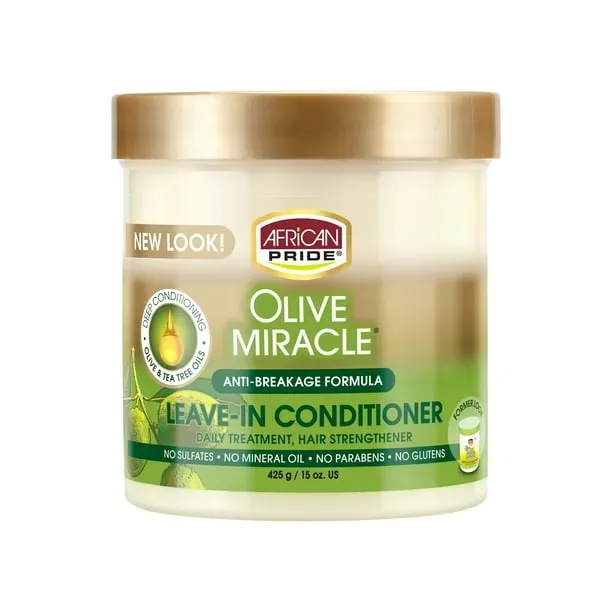
African Pride Olive Miracle Leave-in Conditioner 15 oz, Moisturizing, Damaged Hair, Unisex
Product A
Moisturizing Body Cream.
Product B
A body cream created after the founder struggled to find products that kept deeply dry skin moisturized without leaving a heavy residue.
The second product immediately has context.
The customer understands:
Why it exists.
That is the power of storytelling.
Good storytelling can turn an ordinary product description into a reason for customers to care.
Black-Owned Brands Are Solving Real Problems
Many successful businesses begin with frustration. A founder asks:
Why doesn't this exist?
Then they create it.
This can happen in:
Beauty
Hair
Fashion
Food
Parenting
Wellness
Technology
Finance
Home products
A founder's personal experience can become the starting point for innovation.
But the product must eventually solve the problem for customers too.
A personal story may start the business.
Customer value keeps it alive.
Beauty Remains a Major Opportunity
Beauty continues to be one of the most visible areas of Black entrepreneurship.
That makes sense.
Consumers with deeper skin tones and textured hair have historically faced gaps in product availability, shade ranges, formulations, education, and representation.
Black founders have created businesses around many of these gaps.
And the opportunity continues to evolve.
The National Urban League's 2026 research highlights strong Black consumer engagement in beauty and wellness while also identifying opportunities for Black-owned beauty businesses.
The opportunity is not simply creating another lipstick.
It is creating:
Better formulas.
Better shade ranges.
Better education.
Better shopping experiences.
Better representation.
But Beauty Is Only the Beginning
Black-owned businesses are also creating opportunities in many other categories.
Fashion
From luxury clothing to streetwear and activewear.
Food
From sauces and seasonings to snacks and specialty products.
Home
Candles, furniture, décor, kitchen products, and lifestyle goods.
Children's Products
Books, toys, dolls, and educational resources.
Wellness
Products focused on self-care, lifestyle, and everyday wellbeing.
Jewelry
Cultural influences combined with contemporary design.
This diversification makes the ecosystem stronger.
Why Different Categories Matter
| Category | Opportunity |
|---|---|
| Beauty | High repeat purchase potential |
| Haircare | Strong customer loyalty |
| Fashion | Brand identity and community |
| Food | Frequent purchasing |
| Home | Gifting and lifestyle |
| Jewelry | Premium positioning |
| Kids | Family and cultural relevance |
| Wellness | Growing interest in self-care |
| Art | Unique and collectible products |
| Stationery | Affordable gifting |
Different categories create different business models. That diversity is an advantage.
The Power of Community
A customer is valuable.
A community can be even more valuable.
A strong community can:
Recommend products
Create content
Provide feedback
Attend events
Participate in launches
Defend the brand when appropriate
Introduce new customers
Help products gain visibility
This is why many successful online brands spend as much time building relationships as they do selling products.
Customer vs Community
| Customer | Community |
|---|---|
| Makes a purchase | Makes repeat purchases |
| Receives marketing | Can create marketing |
| Uses the product | Shares the product |
| Reads reviews | Writes reviews |
| Sees brand content | Can produce UGC |
| Can leave after one purchase | May develop an emotional connection |
The objective is not to force every buyer into a community. It is to create an environment where loyal customers naturally want to participate.
How to Find the Best Black Owned Online Stores
The phrase black owned online stores can lead you to thousands of results.
But how do you know which businesses are worth trying?
Start with discovery.
Directories such as Where We Spend list Black-owned businesses and online brands across multiple categories. Other marketplaces and directories can also help shoppers discover businesses that may not appear in traditional retail searches.
For UK shoppers, platforms such as Jamii provide access to Black-owned brands across categories including beauty, food, fashion, home, wellness, and lifestyle.
But discovery is only the first step.
Then research the individual brand.
Black-Owned Online Store Shopping Checklist
Before placing an order, consider:
Check the founder or company information
Read customer reviews
Compare pricing
Review shipping information
Read return and refund policies
Check product ingredients or materials
Look for independent reviews
Check social media activity
Make sure checkout is secure
Start with one product if you are unsure
Leave an honest review after buying
Being intentional does not mean lowering your standards.
Support a business because its product and customer experience make sense for you.
What Makes an Online Store Trustworthy?
A professional online store should make important information easy to find. Look for:
Clear Product Information
Customers should understand exactly what they are buying.
Transparent Pricing
Pricing should be easy to understand without confusing surprise costs.
Shipping Details
Know when and how the order is expected to arrive.
Return Policy
Understand what happens if the product does not work for you.
Contact Information
Customers should have a clear way to get help.
Secure Payment
Use trusted payment methods and look for standard security indicators.
Customer Reviews
Look for patterns across multiple reviews rather than relying on one comment.
Consistent Branding
A professional presentation can improve confidence, although appearance alone should never be treated as proof of product quality.
Why Value Matters in 2026
Authenticity is important.
But price still matters.
Inflation and higher everyday costs have made consumers more cautious.
Numerator's 2026 research found that 51% of Black consumers cited rising prices as a primary concern in March 2026, compared with 41% of U.S. consumers overall. It also found that 78% said non-essential goods and services were harder to afford.
That means Black-owned brands cannot assume customers will pay any price simply because they want to support a business.
They have to communicate value.
Value can mean:
Better quality.
Longer-lasting products.
Better ingredients.
Unique design.
Excellent service.
Fair pricing.
Convenience.
The strongest brands explain why their products are worth buying.
Corporate DEI and Consumer Loyalty
One important theme in 2026 consumer research is that corporate positioning can influence consumer behavior.
The National Urban League's research found that nearly half of Black consumers reported reducing spending or seeking alternatives when a brand retreats from DEI commitments.
Numerator has also reported changes in corporate DEI positioning alongside shifts in where some Black consumers spend, including movement toward smaller retailers and online platforms.
This does not mean consumers automatically abandon every company that changes its DEI strategy.
Consumer decisions are complicated.
Price matters.
Convenience matters.
Quality matters.
Availability matters.
But values can become another factor in purchasing decisions.
That creates an opportunity for Black-owned brands when their identity, mission, and customer experience are genuinely connected.
Campaign vs Commitment
There is a major difference between these two approaches.
Campaign
A company creates a temporary campaign around Black consumers.
Commitment
A company builds products, services, partnerships, and experiences around genuine customer needs.
Customers can often recognize the difference.
That is why authenticity has become an important business strategy.
The Problem With Performative Marketing
A brand cannot build long-term loyalty simply by using diverse imagery.
Customers eventually ask:
Does the product work?
Does the company listen?
Does the brand understand its audience?
Does the company provide value?
Does the actual experience match the advertising?
If the answer is no, a campaign will not save the brand.
The strongest businesses connect marketing with reality.
What Black-Owned Brands Can Learn From 2026
1. Own Your Customer Relationship
Build email lists, websites, communities, and other channels that allow you to communicate directly with customers.
2. Diversify Distribution
Do not depend entirely on one retailer, marketplace, or platform.
3. Build a Recognizable Brand
Make the business memorable through consistent design, messaging, and customer experience.
4. Invest in Quality
The product has to deliver on its promise.
5. Tell the Story
Explain why the company exists and what problem it is trying to solve.
6. Use Social Media Strategically
Create useful content instead of publishing constant sales messages.
7. Work With the Right Creators
Audience relevance and trust can matter more than follower count.
8. Listen to Customers
Reviews and feedback can help improve products and experiences.
9. Make Value Clear
Customers are watching their budgets.
10. Build for the Long Term
A viral moment is not the same thing as a sustainable business.
Growth Strategy Scorecard
| Strategy | Main Benefit | Long-Term Value |
|---|---|---|
| Own website | Customer control | Very High |
| Email list | Direct communication | Very High |
| Social media | Discovery | High |
| Creator partnerships | Trust and reach | High |
| Retail partnerships | Scale | High |
| Pop-ups | Community | Medium-High |
| Customer reviews | Social proof | High |
| Loyalty program | Retention | High |
| Collaborations | New audiences | High |
| Events | Relationships | Medium-High |
The goal is not to do everything immediately. The goal is to create a sustainable combination of channels.
Collaboration Can Make the Ecosystem Stronger
Portable Bluetooth Speaker Ipx7 Waterproof 30W
Black-owned businesses do not always have to compete.
They can collaborate.
Imagine:
A fashion brand working with a jewelry designer.
A skincare company partnering with a beauty creator.
A food brand working with a recipe creator.
A home décor company collaborating with an interior designer.
A children's brand partnering with an educator.
These collaborations allow companies to reach new audiences without completely rebuilding their marketing strategy.
The Future Is Not "Online vs Retail"
This is one of the biggest misconceptions.
The future of Black-owned commerce will likely include both.
A customer may:
Discover a brand on TikTok.
Watch a creator review it.
Visit the company's website.
Buy the product.
See it later at a retailer.
Purchase another product in-store.
Subscribe to the brand's email list.
Recommend it to a friend.
The customer journey is fluid.
Successful businesses need to be present where customers naturally spend their time.
Why Small Brands Can Move Faster
Large corporations have scale.
Small businesses have flexibility.
A founder can receive ten customer complaints about a product and decide to investigate the issue.
A large corporation may need multiple approval stages.
A small fashion brand can release a limited collection.
A small food company can test a new flavor.
A small beauty company can respond quickly to customer requests.
This flexibility can become a competitive advantage.
The key is using that flexibility responsibly.
Why Black-Owned Online Stores Are More Than Shopping Websites
A modern online store can function as:
A shop
A media platform
A community
A customer service center
An educational resource
A storytelling platform
A product laboratory
A brand headquarters
This is why the online channel matters so much.
A physical shelf has limited space.
A website can tell the complete story.
It can explain the founder's mission, showcase products, publish educational content, collect reviews, answer questions, and maintain a direct relationship with customers.
The New Definition of Success
Success used to be measured heavily by retail distribution.
Today, brands can also measure:
Website sales
Repeat purchase rate
Email subscribers
Customer lifetime value
Social engagement
Creator conversions
Reviews
Community growth
Product waitlists
Direct-to-consumer revenue
A brand can be successful without becoming a household name overnight.
Sustainable growth may be more valuable than viral growth.
What Consumers Should Expect From Black-Owned Brands
Supporting a business should not mean lowering expectations.
Consumers should expect:
Good products.
Fair value.
Professional service.
Honest communication.
Clear policies.
Reliable fulfillment.
Respect for customers.
That is how Black-owned businesses become stronger participants in the broader marketplace while maintaining their own identity and values.
What Brands Should Expect From Consumers
The relationship works both ways.
Businesses can expect customers to:
Provide honest feedback
Allow reasonable time for small-business fulfillment
Follow stated policies
Leave constructive reviews
Recommend products they genuinely enjoy
Understand that small businesses may have fewer resources
Support works best when both sides respect the relationship.
The Long-Term Opportunity
The most exciting part of the Black-owned business movement is not a single viral product.
It is the possibility of building an ecosystem where entrepreneurs can create companies that survive changing trends.
Imagine a future where a founder can start online, build a community, enter specialty retail, expand into national retail, launch international shipping, create new product categories, and eventually build multiple companies.
That journey becomes easier when customers have already created demand.
And demand is something entrepreneurs can build.
10 Reasons to Discover Black-Owned Online Stores in 2026
1. Discover Something Different
Independent brands often offer products you may not find at traditional retailers.
2. Support Entrepreneurship
Your purchase directly supports an independent company.
3. Find Products Built Around Real Needs
Many founders started businesses because they could not find the right products for themselves or their communities.
4. Discover New Creators
Black-owned brands are producing innovative fashion, beauty, food, and lifestyle products.
5. Support Community Growth
Successful businesses can create opportunities for employees, suppliers, creators, and other entrepreneurs.
6. Find Unique Gifts
Small businesses often create products with strong personality and distinctive stories.
7. Explore More Product Variety
Online shopping removes some of the limitations of local retail shelves.
8. Discover Founder Stories
The person behind a business can make shopping more meaningful.
9. Participate in Emerging Trends
Today's small online brand can become tomorrow's major retailer.
10. Shop With Intention
You can decide which businesses receive your attention and money.
Quick Guide: How to Shop Black-Owned Online
Step 1
Find a category you already shop for.
Step 2
Search for Black-owned businesses in that category.
Step 3
Compare several brands.
Step 4
Read customer reviews.
Step 5
Check shipping and return policies.
Step 6
Try one product if you are uncertain.
Step 7
Evaluate the product and overall experience.
Step 8
Become a repeat customer if you genuinely love it.
Step 9
Leave an honest review.
Step 10
Share the brand with someone who may genuinely enjoy it.
This turns shopping into a relationship rather than a one-time transaction.
FAQ: Black-Owned Brands and Black Owned Online Stores
Frequently Asked Questions
1. What are black owned online stores?
Black owned online stores are e-commerce businesses owned by Black entrepreneurs. They sell products and services across categories such as beauty, fashion, food, haircare, wellness, jewelry, home décor, children's products, and lifestyle goods.
2. Why are Black-owned brands important in 2026?
Black-owned brands give entrepreneurs opportunities to build businesses around their own ideas, communities, and customer relationships. They also give consumers access to products and services that may address needs overlooked by larger companies.
3. Can Black-owned businesses succeed without corporate DEI programs?
Yes, some businesses can build strong companies through direct-to-consumer sales, social media, creator partnerships, independent retail, marketplaces, events, and loyal customers. However, this does not mean every business will succeed or that corporate partnerships are no longer valuable.
4. How can I find trustworthy Black-owned online stores?
Start with reputable directories, marketplaces, editorial shopping guides, and recommendations from people you trust. Then research individual businesses by checking reviews, product information, shipping policies, return policies, customer service, and secure checkout options.
5. How can I support Black-owned businesses without buying something?
You can follow brands, share their content, leave reviews, recommend them to friends, tag them in relevant posts, subscribe to newsletters, and attend their events or pop-ups. These actions can increase visibility without requiring another purchase.
6. What should I look for when choosing a Black-owned brand?
Look for the same qualities you would expect from any strong business: • Product quality • Fair pricing • Transparent information • Reliable customer service • Clear policies • Positive customer experiences Being Black-owned can be an important reason to discover a brand, but quality and customer experience are what should keep customers coming back.
The Future Is Being Built Directly
The biggest story of Black-owned businesses in 2026 is not simply that corporations are changing their DEI strategies.
The bigger story is what entrepreneurs are doing in response.
They are building websites.
They are creating communities.
They are launching products.
They are partnering with creators.
They are using social media.
They are selling directly.
They are entering retail.
They are collaborating with other founders.
They are listening to customers.
And they are building brands around problems they understand.
That creates something more durable than a temporary corporate campaign.
It creates customer loyalty.
Corporate support can accelerate growth.
Retail can create visibility.
Creators can create awareness.
But ultimately, a business survives because customers choose it.
That is why the rise of black owned online stores is so important.
The internet has made it possible for a founder with a good idea, a strong product, and a compelling story to reach customers far beyond their local community.
Customers also have more power.
They can decide which brands deserve attention.
They can discover businesses outside traditional retail.
They can support founders whose products they genuinely value.
They can share their experiences.
They can become advocates.
The future of Black-owned commerce is therefore not about waiting for someone else to create an opportunity.
It is about building businesses with multiple paths to growth.
And the brands that combine quality, authenticity, innovation, value, and community may be the ones best positioned to thrive in the years ahead.
Ready to Discover More Black-Owned Brands?
From beauty and fashion to food, wellness, home décor, jewelry, and lifestyle products, there are more Black-owned businesses to discover than ever.